Read The System
Translate common symbols and simple wiring diagrams into a clear picture of how a circuit is intended to work.
 Let’s Talk
Programs & Pathways
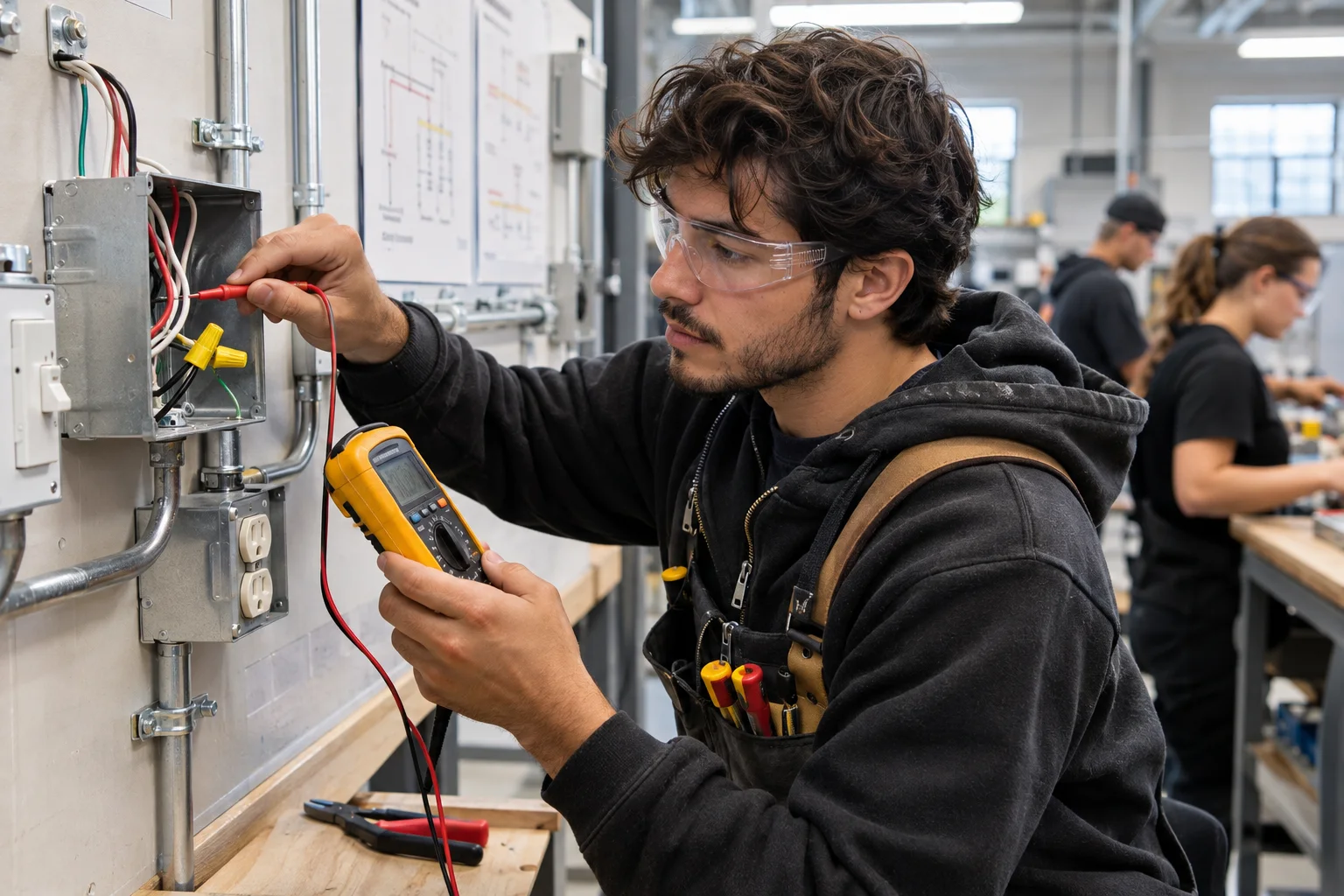
Develop a grounded understanding of electrical principles, diagrams and careful troubleshooting in a learning environment.
Understand What Powers The Everyday
Develop a grounded understanding of electrical principles, diagrams and careful troubleshooting in a learning environment.
Electrical work requires more than recognizing a component. It calls for an orderly way of thinking, an understanding of the system and respect for hazards. Our approach pairs foundational concepts with supervised training-board activities so learners can see how diagrams, measurements and components relate. Safety boundaries and local licensing requirements remain central to the conversation.
Ask About This PathwayObserve. Practice. Review. Repeat.The Foundations
A useful starting point combines technical understanding with the habits that support good work.
The Learning Journey
Translate common symbols and simple wiring diagrams into a clear picture of how a circuit is intended to work.
Explore appropriate measuring tools, their limitations and the importance of confirming a safe training setup before use.
Practice a structured process: observe, document, test an appropriate hypothesis and review the findings with an instructor.
Make An Informed Choice
Before you enroll, talk through the schedule, prerequisites, practical activities and full cost. Ask how progress is reviewed and which tools or protective equipment you will need.
Requirements vary by role and location. Confirm any licensing or certification pathway separately and in writing.
Explore AdmissionsAsk admissions for the current program format and any apprenticeship relationships in writing. Classroom learning and a registered apprenticeship are not automatically the same thing.
Admissions can help you compare the starting requirements with your experience and comfort with foundational math.
Learning activities should use appropriate supervised training equipment. Specific lab practices, safety policies and progression are explained before participation.
Good Questions Matter
Bring your questions about the learning experience, your starting point and the commitment involved. A clear conversation is a useful first step.
Keep Exploring
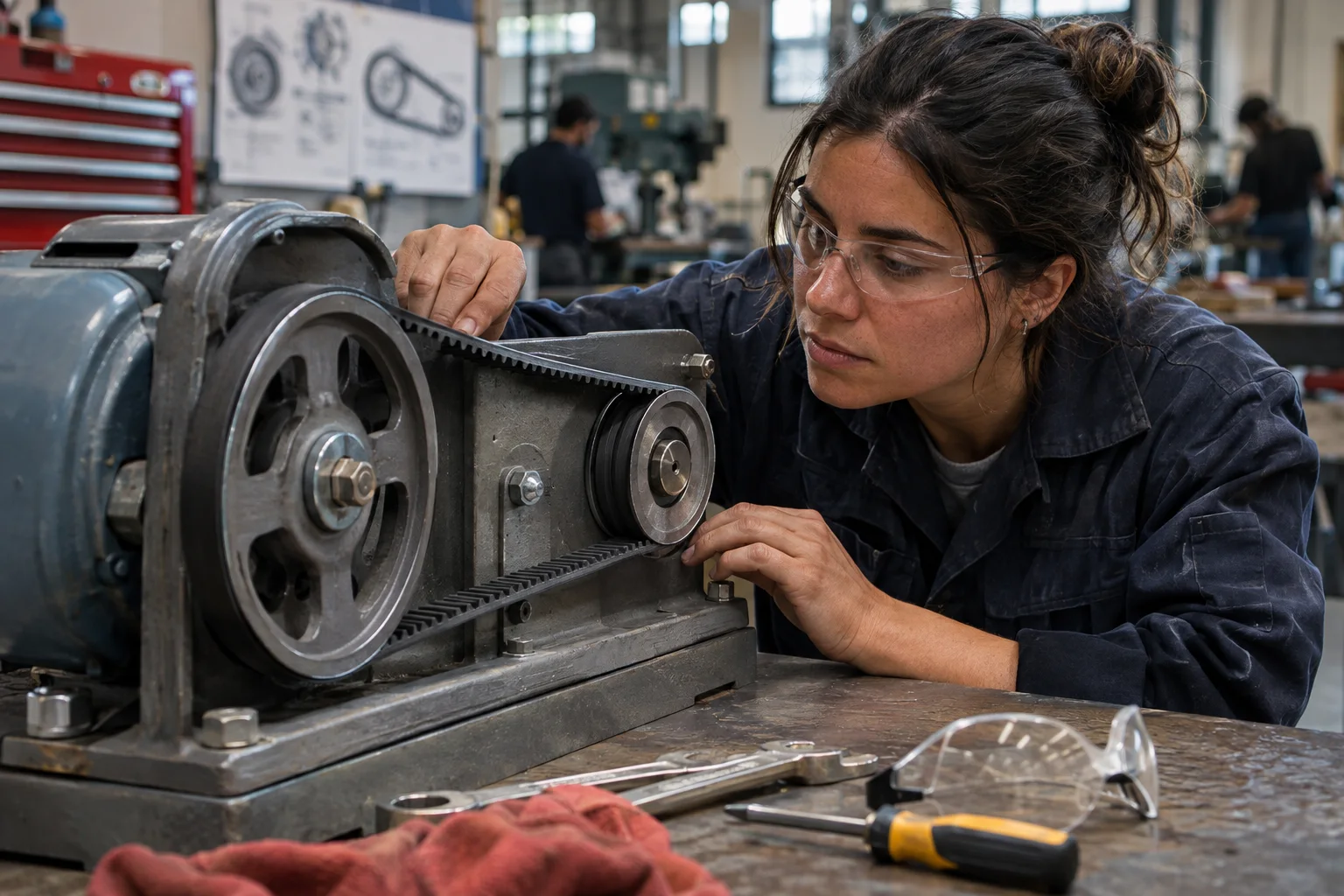
Build a practical foundation for understanding mechanical systems, preventive maintenance and orderly problem solving.
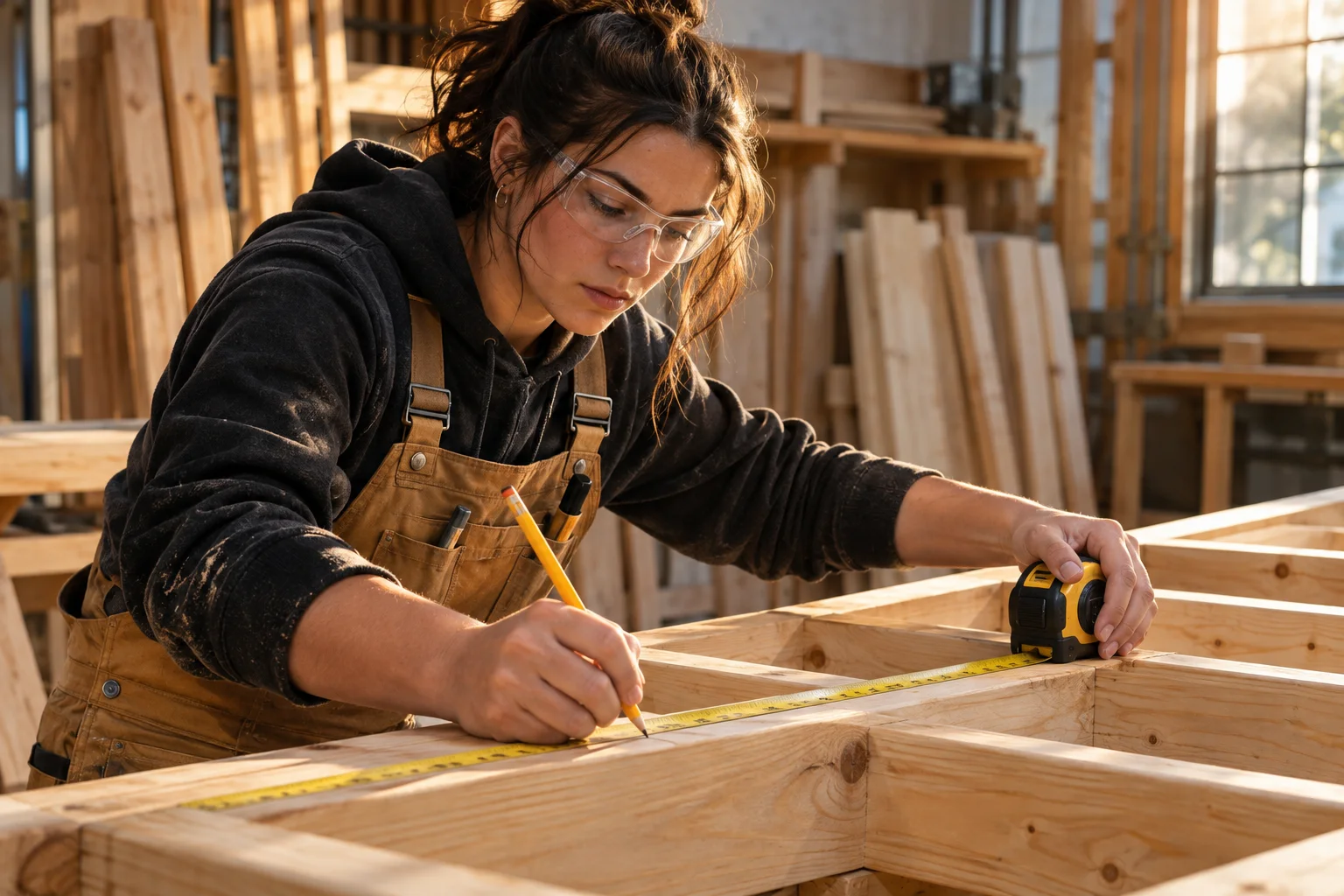
Explore The PathwayBring measurement, materials and practical problem solving together through an introduction to the building trades.
Explore The PathwayYour Next Chapter
Tell us what interests you. We’ll help you identify the questions, practical details and next steps worth exploring.